

Strategic Communication and Influence in Public Health: Building Trust for Lasting Change
Program overview: Strategic Communication and Influence in Public Health
The Strategic Communication and Influence in Public Health: Building Trust for Lasting Change program from Harvard Chan Advanced Learning Academy is a six-week online program for mid-level to senior professionals working in public health and related fields. The program will help you develop skills in policy advocacy, crisis communication, and behavioral change strategies.
Through expert-led modules, real-world case studies, and applied learning, you will learn to craft evidence-based public health messages, influence policy design, enhance public health literacy, and strengthen public trust across diverse settings.
Over six weeks, you will develop:
An evidence-based advocacy strategy for a real public health challenge of your choice
The ability to identify points in the policy cycle where communication can influence outcomes
A framework for communicating in complex information environments
A method to develop effective public health messages
Leadership and risk communication strategies for high-stakes public health moments
Working knowledge of the 7Cs framework for strategic change, applied to advocacy scenarios
Who is the Strategic Communication and Influence in Public Health program for?
The Strategic Communication and Influence in Public Health program from Harvard Chan Advanced Learning Academy is designed for mid-level to senior professionals working across public health systems, health care delivery, media, nonprofits, and policy. Participants will gain practical tools to communicate evidence, shape policy agendas, and build public trust.
This program is particularly beneficial for:
Communications, PR, and public affairs professionals working within public health agencies, health nonprofits, hospital systems, NGOs, and global health organizations who want to move from tactical messaging to strategic influence
Policy and advocacy leaders at health mission organizations who need frameworks for shaping policy design, building coalitions, and mobilizing stakeholder action
Physicians, clinicians, and academic professionals moving into public health leadership who are shifting toward institutional leadership, advocacy, or policy influence and need the communication and leadership frameworks to lead beyond their clinical and academic expertise
Executive and organizational leaders of health-focused nonprofits, NGOs, and think tanks who own outcomes tied to public trust, funder confidence, and stakeholder alignment
Health journalists, science communicators, and researchers who translate evidence into public understanding and inform public discourse on health
What you will learn in the Strategic Communication and Influence in Public Health program
Module 1: The Policy Cycle as a Tool for Advocacy and Influence
Learn to apply the policy cycle to real-world challenges by understanding the role of data, advocacy, and global collaboration in shaping high-impact strategies that elevate urgent health issues on global agendas. Explore how influential public health policies are designed and advanced through global case studies of HIV/AIDS and maternal health.
Module 2: Public Health Communication in a Complex Information Environment
Learn to lead communication efforts during public health crises by managing uncertainty, countering misinformation, and navigating rapidly evolving media landscapes. Develop strategies to maintain credibility, adapt messaging, and guide public perception across diverse channels and audiences. Explore these concepts through case studies of the Flint water crisis and the COVID-19 pandemic.
Module 3: Communication and Social and Behavioral Change
Develop the skills to design public health messages that inform, persuade, and mobilize action. Explore how framing, storytelling, and emotional appeals influence behavior, and learn to craft campaigns that resonate with diverse audiences. Strengthen message impact in the face of misinformation, and create strategies that support measurable change on critical issues, including vaccination, nutrition, and mental health.
Module 4: Tools, Strategies, and Technologies to Engage and Influence Stakeholders and Networks
Analyze global health initiatives, including the Framework Convention on Tobacco Control and antimicrobial resistance, to understand how communication, strategy, and multisector collaboration can engage diverse networks and inform policy. Learn to communicate, align, and lead in complex multistakeholder environments, and apply innovative approaches to influence policy on emerging global health threats.
Module 5: Leadership and Communication in Public Health
Strengthen your ability to navigate misinformation, uncertainty, and risk in public health. Explore how public perceptions shape trust, influence behavior, and affect policy decisions in public health. Learn to apply leadership and communication strategies that build credibility and support effective decision making in complex environments.
Module 6: Leadership and Advocacy for Public Health Change
Explore how public health professionals can inspire action, mobilize support, and advocate for systemic improvements in health. Examine approaches to coalition building, effective stakeholder engagement, and persuasive communication for advancing policy change. Discuss the case of North Karelia’s cardiovascular disease intervention.
Live sessions
Throughout the program, you will participate in two live online sessions with expert faculty, and weekly office hour sessions with learning facilitators, and engaging discussions that reinforce program concepts and support practical application.
Capstone project
The Strategic Communication and Influence in Public Health program features a capstone project that presents a hands-on opportunity to identify and address a real-world public health challenge within your community, organization, or professional context. Drawing on program insights, you will design a strategic response to misinformation, harnessing stakeholder engagement, policy change, and public communication, and present a final solution that demonstrates measurable, real-world impact.
Case studies
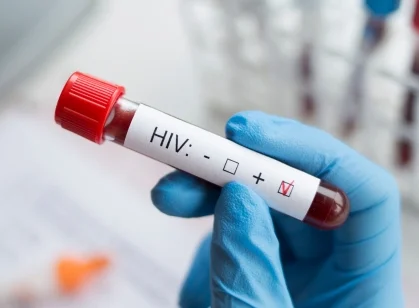
Global HIV/AIDS response

Every Woman Every Child

Lancet commissions on cancer globally
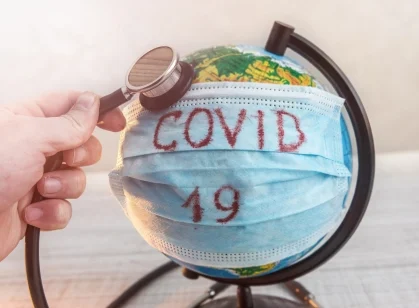
COVID-19 pandemic
Policy responses to noncommunicable diseases (NCDs)
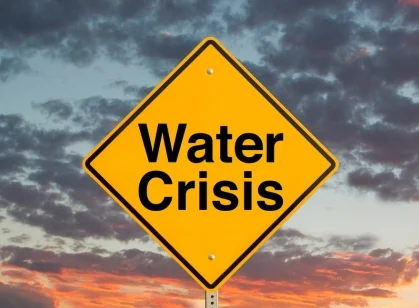
Flint water crisis

Framework Convention on Tobacco Control
Frameworks
The policy cycle as an advocacy tool: Use seven stages — from problem identification through evaluation — to identify where communication and advocacy can influence which issues reach policy agendas, receive funding, and move into implementation.
The 7Cs framework for strategic change: Explore a seven-step diagnostic for leading systemic change in health systems.
The six fundamental principles of advocacy in public health: Learn to apply principles spanning evidence, ethics, and coalition building to develop advocacy campaigns with a stronger foundation for influencing policy.
The four intervention points against misinformation: Address health misinformation by looking beyond individual claims to the wider information environment.
The 5Vs of the complex information environment: Diagnose why established public health communication approaches may be less effective today, and identify how to adapt your strategy to the complex information environment.
The multilevel communication model: Understand how to develop coordinated communication strategies that operate across global, national, community, household, and individual levels.
The four types of advocacy: Learn to distinguish among policy, media, community, and professional advocacy, and determine when each approach is and is not suited to a particular context.
Gain continuing medical education credits
This activity has been planned and implemented in accordance with the accreditation requirements and policies of the Accreditation Council for Continuing Medical Education (ACCME) through the joint providership of the Harvard Chan Advanced Learning Academy and Emeritus. The Harvard Chan Advanced Learning Academy is accredited by the ACCME to provide continuing medical education for physicians.
The Harvard Chan Advanced Learning Academy designates this live activity for 14.0 AMA PRA Category 1 Credit(s)™. Physicians should claim only the credit commensurate with the extent of their participation in the activity.
The American Medical Association (AMA) has an agreement of mutual recognition of continuing medical education (CME) credit with the European Union of Medical Specialties (UEMS). Additional information regarding this agreement may be found on the AMA website.
Key learning outcomes
The Strategic Communication and Influence in Public Health program will equip you to:
Analyze global public health challenges and assess the role of communication in driving policy and behavioral change
Develop persuasive advocacy strategies to effectively engage stakeholders
Apply communication frameworks to manage misinformation, strengthen public trust, and lead with clarity during public health emergencies
Design compelling public health messages and engagement strategies
Meet the faculty
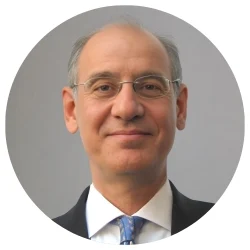
Rifat Atun, MBBS, MBA, DIC, FRCGP, FFPH, FRCP
Professor, Global Health Systems; Director, Health Systems Innovation Lab; Faculty at Department of Health Policy and Management
Rifat Atun is the Dean for Education and Innovation at Harvard T.H. Chan School of Public Health. His academic research focuses on the performance of health systems and the ad...

K. “Vish” Viswanath, PhD
Lee Kum Kee Professor of Health Communication, Department of Social and Behavioral Sciences, Harvard T.H. Chan School of Public Health; Director, Lee Kum Sheung Center for Health and Happiness, Harvard T.H. Chan School of Public Health
K. “Vish” Viswanath serves as the faculty director of the Health Communication Core and the founding director of the Enhancing Communications for Health Outcomes (ECHO) Labora...
Program highlights

Live sessions
Experience live online sessions with expert faculty and learning facilitators, and engage in discussions that reinforce program concepts and practical applications.

Applied learning
Reinforce your key learning through reflective, case-based activities designed to support immediate application in your work.

Global peer group
Collaborate with a diverse cohort of global public health professionals to broaden your perspective and form a cohesive learning community.

Self-paced learning journey
Learn at your own pace with a weekly commitment of three to five hours of sessions and activities.

Case studies
Examine landmark public health cases to understand how advocacy, communication, and policy influence can drive global cooperation, shape outcomes, and build public trust.

Frameworks and tools
Gain access to proven models and communication strategies that support influence, stakeholder alignment, and public health leadership.

Capstone project
Apply your learning to address a real-world public health challenge, demonstrating the skills and strategies you gained from the program.
Note: *Live sessions are subject to change based on faculty availability and schedule.
Why Harvard T.H. Chan School of Public Health?
For more than 100 years, Harvard T.H. Chan School of Public Health has worked to improve health and promote equity so all people can thrive. With a mission to educate leaders who will contribute to the global public health landscape, the School has cultivated a legacy of excellence. Their alumni are global leaders and renowned experts in every aspect of public health, serving in influential positions, including as prime ministers, health secretaries, and leaders of global health initiatives. In the United States, eight of their alumni have served as directors of the Centers for Disease Control and Prevention.
The faculty have made groundbreaking discoveries and developed powerful solutions across a wide range of fields. Three scientists affiliated with the School have been awarded the Nobel Prize; others have received the Presidential Medal of Freedom and been awarded the MacArthur Fellowship. Many hold memberships in the National Academy of Sciences and the National Academy of Medicine.
The Harvard Chan Advanced Learning Academy is the home for non-degree education at Harvard T.H. Chan School of Public Health, offering a dynamic portfolio of programs built for real-world impact.
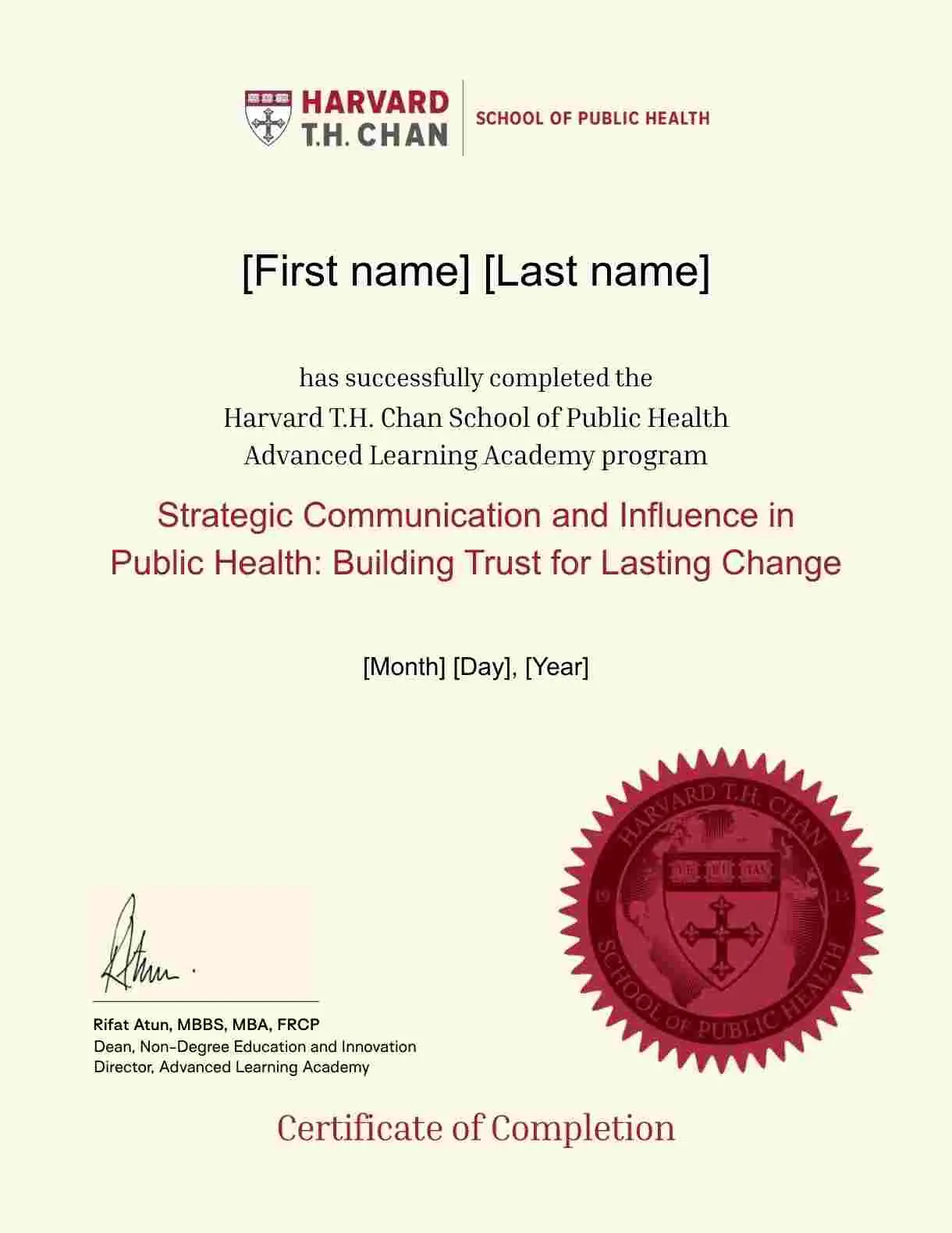
Certificate of completion
Upon completing the Strategic Communication and Influence in Public Health program, you will receive a digital certificate of completion from Harvard Chan Advanced Learning Academy.
Your digitally verified certificate will be issued in your legal name and emailed to you at no additional cost upon completion of the program, as per the stipulated requirements. All certificate images are for illustrative purposes only and may be subject to change at the discretion of Harvard Chan Advanced Learning Academy.
This program does not confer academic credit or professional certifications from Harvard Chan Advanced Learning Academy.
Frequently asked questions
About the program and learning experience:
Who is this public health communication program from Harvard Chan Advanced Learning Academy for?
The Strategic Communication and Influence in Public Health program is beneficial for mid-level to senior public health professionals, including emerging leaders in clinical settings, policy influencers, health journalists, and public health advocates, who work with government agencies, public health departments, NGOs, or global institutions and seek to strengthen their communication skills and leadership impact.
What topics are covered in the Strategic Communication and Influence in Public Health training program?
The six-module curriculum covers public health advocacy, behavioral change frameworks, crisis communication, leadership, and stakeholder engagement, combining expert-led sessions, applied activities, and real-world case studies for immediate application.
How does the program actually work — is it live, self-paced, or both?
Both. The program runs over six weeks with a mix of self-paced content (video lessons, readings, case studies, and reflective activities you complete on your own schedule) and scheduled live sessions with faculty and learning facilitators (live sessions with faculty are planned on a cohort basis). If you cannot attend them, the session recordings will be made available within 24 hours. Weekly office hours with program leaders offer additional opportunities for discussion. This program has been designed to accommodate the schedules of working professionals as efficiently as possible. Plan to dedicate three to five hours per week.
Who delivers this program — Harvard T.H. Chan School of Public Health or Emeritus?
The program is designed and led by Harvard Chan Advanced Learning Academy, part of Harvard T.H. Chan School of Public Health. Video content and live sessions are delivered by Harvard Chan School faculty. Upon program completion, you receive a digital certificate of completion from Harvard Chan Advanced Learning Academy.
Emeritus is Harvard Chan School’s online education partner. Emeritus manages the learning platform, learner support, and program operations.
More than 350,000 learners across 80 countries have chosen to advance their skills with Emeritus and its educational learning partners
90 percent of the respondents of a recent survey across all our programs said that their learning outcomes were met or exceeded
All program content is made available to participants at the start of the program
A dedicated program support team is available 24/5 (Monday to Friday) to answer questions about the learning platform, technical issues, or anything else that may affect your learning experience
Who will I be learning alongside?
Each cohort brings together mid-level to senior professionals from public health agencies, health nonprofits, NGOs, global health institutions, health journalism, and medical and academic public health professionals, from across the United States, Europe, Asia, Africa, and Latin America.
Live sessions and discussion boards are where cohort interaction happens. The program is not a networking-first experience; it is a learning experience with a cohort structure.
What will I be able to do differently in my work after this program?
By program completion, you will have:
Built a complete evidence-based advocacy strategy for a public health challenge in your own context (the capstone project)
Developed a working knowledge of specific frameworks — the policy cycle, the 5Vs of the complex information environment, the 7Cs framework for strategic change, the four types of advocacy, and the National Academies’ four intervention points against misinformation
Gained the ability to design communication strategies, apply message framing techniques, and lead in high-stakes public health moments
Is this public health communication program a degree?
his is a professional development executive education program and not a degree program. The six-week learning journey focuses on applied learning for immediate impact in real-world health communication and advocacy efforts.
What certificate do I receive, and is it a degree or academic credit?
You receive a digital certificate of completion from Harvard Chan Advanced Learning Academy. This is a professional development program. It does not confer a degree, does not grant academic credit, and is not equivalent to a graduate certificate from Harvard T.H. Chan School of Public Health. It is an executive learning credential you can add to your LinkedIn and CV, backed by Harvard Chan School faculty and curriculum.
How does the Strategic Communication and Influence in Public Health program help tackle real-world public health issues?
This public health advocacy program from Harvard Chan Advanced Learning Academy provides training to address real-world public health issues through a combination of case studies, self-study assignments, and a capstone project. You will analyze influential public health cases, including the COVID-19 pandemic, the Flint water crisis, and the WHO’s cancer-related global initiatives, exploring communication challenges, crisis response, and the navigation of complex issues such as the social determinants of health and health equity. Finally, you will apply your learning to a current public health challenge through a capstone project.
How can this public health communication program support my career growth in today’s evolving public health landscape?
Even as the public health field adapts to changing funding and workforce priorities, professionals with strong advocacy and communication skills continue to stand out. This program from Harvard Chan Advanced Learning Academy equips you with practical tools to influence policy, build public trust, and lead effectively in high-stakes environments, core competencies that remain in demand across government agencies, NGOs, and public health systems. By strengthening your ability to translate expertise into impact, you position yourself for career resilience and advancement as the sector shifts.
Payments, refund, and deferral process
How will registration confirmations and logistics details be sent to participants?
Upon successful registration and payment, participants will receive a registration confirmation and access to the program’s online learning portal via email.
Can I still register if the registration deadline has passed?
Yes, you can register up until seven days past the published start date of the program without missing any of the core program material or learning.
What is the program fee, and what forms of payment do you accept?
The program fee is noted at the top of this program web page and usually referenced in the program brochure as well
Flexible payment options are available (see details below as well as at the top of this program web page next to FEE)
Tuition assistance is available for participants who qualify — please email learner.success@emeritus.org
Is there an option to make flexible payments for this program?
YYes, the flexible payment option allows a participant to pay the program fee in installments. This option is made available on the payment page and should be selected before submitting the payment.
What is the program refund and deferral policy?
For the program refund and deferral policy, please click the link here.
Accessibility
How does Emeritus support accessibility for learners?
Emeritus is committed to making high-quality education accessible and affordable to individuals, companies, and governments around the world. If you have questions about accessibility or would like to discuss available support options before enrolling, please contact accessibility@emeritus.org. For more information about our accessibility practices, please review our Accessibility Policy here.
Connect With a Program Advisor for a 1:1 Session
Email: learner.success@emeritus.org
Phone: +1 315 847 5237 (US) / +44 180 322 5324 (UK) / +65 3123 7050 (SG)
Flexible payment options available.
Starts On